Albanese faces crowd laughter as he defends renewable energy policy and rules out nuclear power
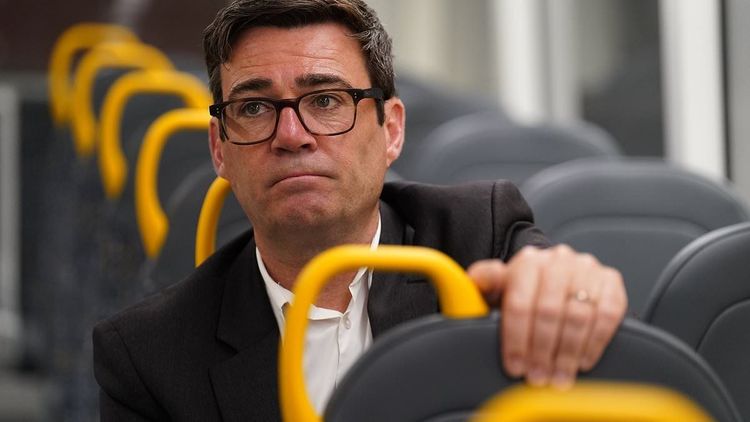
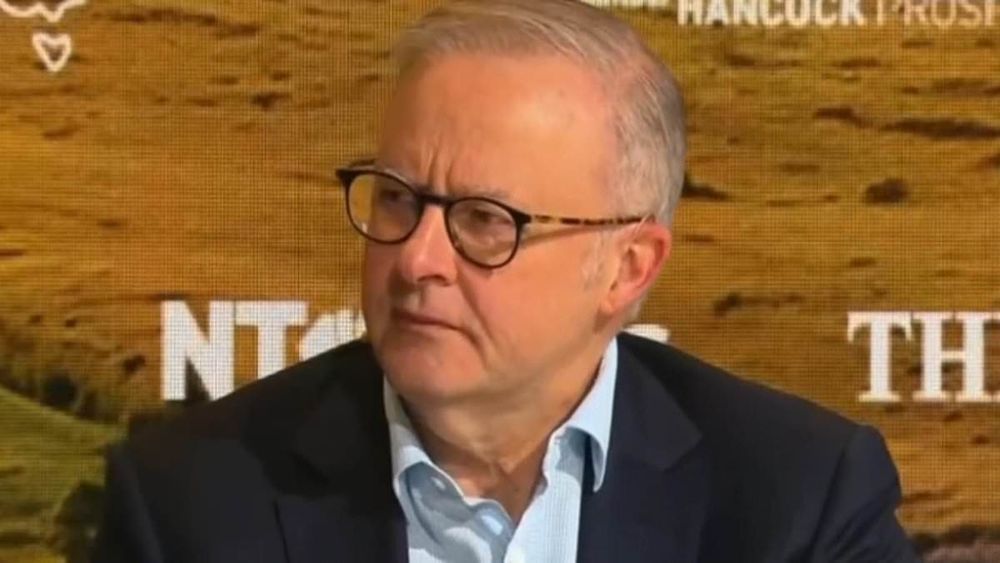
Australian Prime Minister Anthony Albanese faced heckling and laughter from a crowd as he defended his government's commitment to renewable energy and categorically ruled out nuclear power for Australia's energy future.
The awkward public moment came as Albanese addressed questions about his government's energy policy, which has set an ambitious national target of 82% renewable electricity by 2030. The Prime Minister's response to tough questions about the feasibility of this timeline drew audible laughter from audience members.
Despite the reception, Albanese stood firm on his government's position, ruling out any consideration of nuclear power as part of Australia's energy mix. This stance puts him in direct opposition to the Liberal-National Coalition, which has proposed a $600 billion commitment to build seven nuclear power plants across Australia.
Renewable energy progress
The government's renewable energy strategy has shown measurable progress. Renewables generated 51% of Australia's National Electricity Market in the fourth quarter of 2025, up from 39% in 2024. This expansion has coincided with a significant drop in wholesale electricity costs, which fell 44% year-on-year in that same period.
Retail electricity prices also decreased in most Australian states from July 1, 2026. South East Queensland saw the biggest reduction at 7.2%, while South Australia experienced a modest increase of 1.4%.
Opposition's nuclear proposal faces hurdles
The opposition's nuclear proposal faces substantial legal and practical hurdles. Australia maintains a long-standing federal ban on nuclear power generation that would need to be overturned before any plants could be constructed. Additionally, a House Select Committee on Nuclear Energy concluded in February 2025 that nuclear power could not be deployed in time to meet Australia's energy transition targets, estimating construction timelines at 15-25 years. The opposition's projections suggest the earliest any nuclear plant could begin operating would be 2036.
Public opinion and electoral mandate
Albanese's firm rejection of nuclear power comes despite 2024 polling showing 61% of Australians support using nuclear power to generate electricity alongside other energy sources. However, his Labor Party won a decisive parliamentary majority in the May 3, 2025 general election, which was widely characterized as a referendum on climate action, nuclear power, and housing markets.
New challenges from technology sector
The energy debate has intensified with new challenges from the technology sector. In July 2026, the government announced mandatory rules requiring AI data centres to deliver at least as much energy into the grid as they consume, as the country grapples with how to power the growing data centre boom.
As Australia pushes toward its 2030 renewable energy target, the political divide over nuclear power continues to sharpen, with Albanese maintaining that renewables offer the faster and more economical path to meeting the nation's energy needs and climate commitments.