The sentence and allegations
Punch, Leadership and Newsmakers reported that Justice A.B. Kumdila of the Borno State High Court sentenced Dawa to 14 years in prison, with no option of a fine. The May 5, 2026, judgment convicted her under Section 210 of the Borno State Penal Code, which addresses depriving a parent or guardian of lawful custody of a child.
CAN described the conviction as arising from Dawa's involvement in an adult woman's conversion to Christianity. The lawyers' organization that represented the defendants, however, cautioned against describing the case solely as punishment for preaching to a Muslim woman.
Ephraim Yidawi, chairman of the Maiduguri branch of the Christian Lawyers Fellowship of Nigeria (CLASFON), said his organization represented all five defendants. Dawa was convicted, while the other four were discharged and acquitted.
According to Yidawi, the allegations extended beyond conversion: conspiracy to abduct a child, inducing a child to leave parental custody, taking a child out of lawful parental custody, denying the child access to education, and interference with the child's religious practice and conversion to Christianity.
Leadership also cited accounts of testimony by the adult woman at the center of the case. She said her conversion was voluntary and that Dawa had not forced, induced or deceived her.
CAN's appeal for constitutional protections
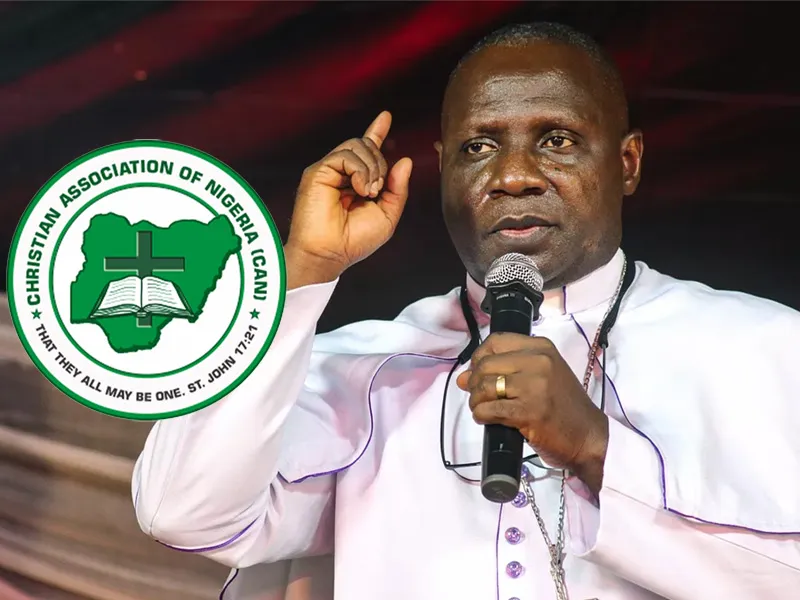
In his statement, Okoh said the case warranted scrutiny over religious liberty and constitutionally protected rights. CAN's position is that people must be free to choose, change and practice their faith or beliefs without intimidation, coercion or unlawful punishment.
The association urged authorities to uphold the rights of all parties and handle the case in accordance with the Constitution and the law. It said it would follow the proceedings and pursue engagement through legal and institutional channels, while reaffirming its support for peaceful relations among Nigerians of different faiths and the fundamental rights of every citizen.
Legal commentators questioning the conviction have pointed to two provisions of Nigeria's 1999 Constitution. Section 38 protects freedom of thought, conscience and religion, including changing one's religion; Section 42 bars discrimination on religious grounds.
Government and church responses
The Borno State Government said it did not know the circumstances surrounding the conviction. Asked for the government's position, Commissioner for Information and Internal Security Usman Tar told Saturday PUNCH: "The issue is a technical and legal matter. I have no knowledge of it."
Bishop David Bakare, national secretary of the Pentecostal Fellowship of Nigeria, said the organization had been informed of the case and was following it. He cautioned that information circulating publicly did not give a full account of the circumstances and welcomed the case's progression to the appeal court.
Leadership reported that Dawa's husband, Evangelist Amos Suleman, spent several months in detention in connection with the case before obtaining bail. He is reportedly in hiding after alleged death threats from extremists in Gwoza.