'Rip-off' parking charges are driving tourists away from seaside towns
Families visiting Britain's seaside resorts are being hit with parking charges of up to £30 for a single day, prompting warnings that councils are sabotaging the coastal tourism industry worth £3.6 billion annually to the economy.
The charges are effectively clawing back the benefits of the Government's Great British Summer Savings scheme, which runs from 25 June to 1 September and slashes VAT from 20% to 5% on children's meals and family attractions. The £300 million initiative was designed to make summer holidays more affordable for British families.
New analysis by the AA of 10,594 members reveals that one third of drivers encountering parking fees of £20 to £30 would either leave immediately or vow never to return to that resort. The findings raise serious concerns for coastal communities, where seaside tourism supports approximately 212,000 jobs.
The cost of a day at the beach
Rother District Council charges £30 for more than six hours of parking at Camber Sands from 1 April 2026, while Brighton's Black Rock and King Alfred car parks cost £18. In Kent, Whitstable charges reach £30 for a full day, whilst Herne Bay tops out at £20.
East Devon seaside car parks charge £2.20 per hour, Southend-on-Sea demands £3 hourly depending on the zone, and Blackpool Central Pier costs £12.40 for eight hours. Whitby's Pavilion Top car park charges £13.10, while Westward Ho in North Devon asks £13 for all-day parking.
The picture varies dramatically across the UK, however. Many coastal car parks in Wales, Scotland and Northern Ireland remain free of charge, with Aberdeenshire operating a unique voluntary donation system.
Councils profiting from parking
The steep charges come as councils in England made a combined surplus of almost £1.1 billion from parking activities in 2024-25, according to RAC Foundation research. Parking enforcement has become a major revenue stream nationwide, with private companies and councils together issuing over 26 million fines per year.
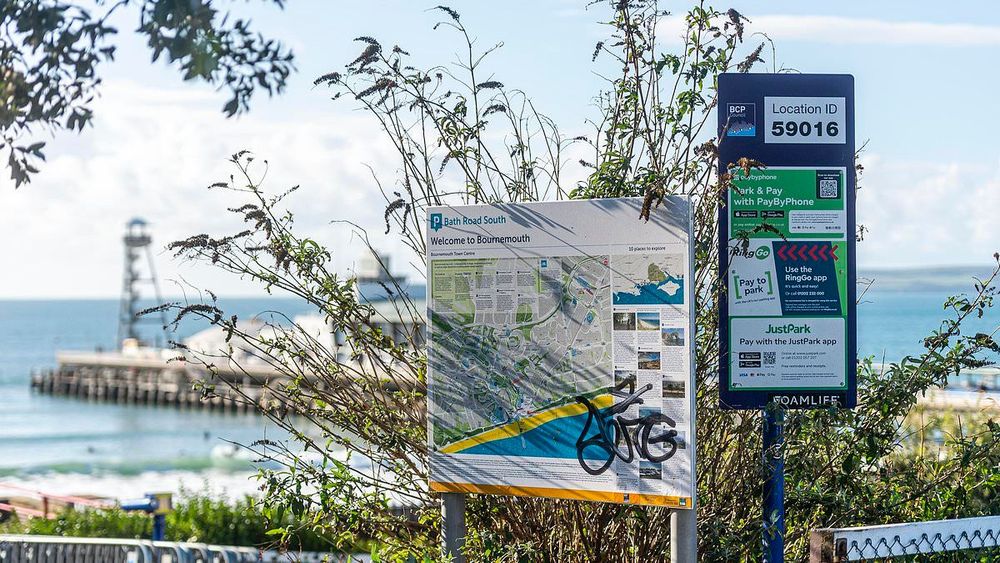
Bournemouth has taken enforcement further, trialling higher peak-season fines of £110 to £160 in August – more than double the standard £50 to £70 penalties. The Department for Transport approved a second trial running from 4 to 31 August 2026, following a 2025 pilot in which fines for serious offences increased from £70 to £160.
The 2025 trial saw unexpected success in reducing illegal parking. Total Penalty Charge Notices fell by nearly 7%, contrary to expectations of a 9% rise – a 16% improvement in driver behaviour. The initiative followed problematic summer weekends when over 4,000 penalties were issued across three weekends in June and July 2025, including 1,300 fines handed out on the hottest weekend of the year.
The AA warns, however, that last year Bournemouth overreached by applying the elevated fines to minor infractions in official car parks, such as parking over the line or failing to display tickets properly, rather than restricting them to dangerous roadside parking.
The deterrent effect
Jack Cousens, the AA's head of roads policy, said summer visitors and their spending often form the lifeblood of coastal resort economies.
However, some councils use parking charges to leech excessive payments from day-trippers and holidaymakers in the hope of filling the black holes in their finances. AA research shows they simply drive visitors away.
Councils operate parking enforcement under the Traffic Management Act 2004, which grants legal powers to issue Penalty Charge Notices and set regulations. Some are now implementing red routes with double red lines and £70 fines to combat illegal roadside parking.
The AA's research shows just 1% of drivers would consider illegal parking when faced with excessive charges, whilst a third would seek alternative legal parking elsewhere. The organisation found that only a quarter of drivers check parking costs before heading to the beach, with 12% assuming charges will match their home area and 7% checking after being stung previously.
Regional variations
Parking costs vary significantly even within regions. Hayling Island charges £11.50 for the day, whilst Portsmouth's Southsea costs £9.60 for six to eight hours. West Wittering in Sussex demands £14.60 on weekdays without pre-booking, rising to £16.25 on weekends and bank holidays.
Clacton in Essex charges between £5 and £8 for more than six hours, representing better value than many competitors.
Cousens added that parking charges approaching or exceeding half the value of early-payment parking fines contribute to illegal parking behaviour.
Bad parking is unacceptable behaviour by drivers, for which Parliament affirmed the penalties in 2022, but parking charges that are close to or exceed the half-rate fines for early payment contribute to that bad behaviour.
The AA advises drivers to check parking costs in advance, as neighbouring resorts often offer significantly different rates, potentially influencing holiday destination choices and supporting local economies with more reasonable pricing policies.