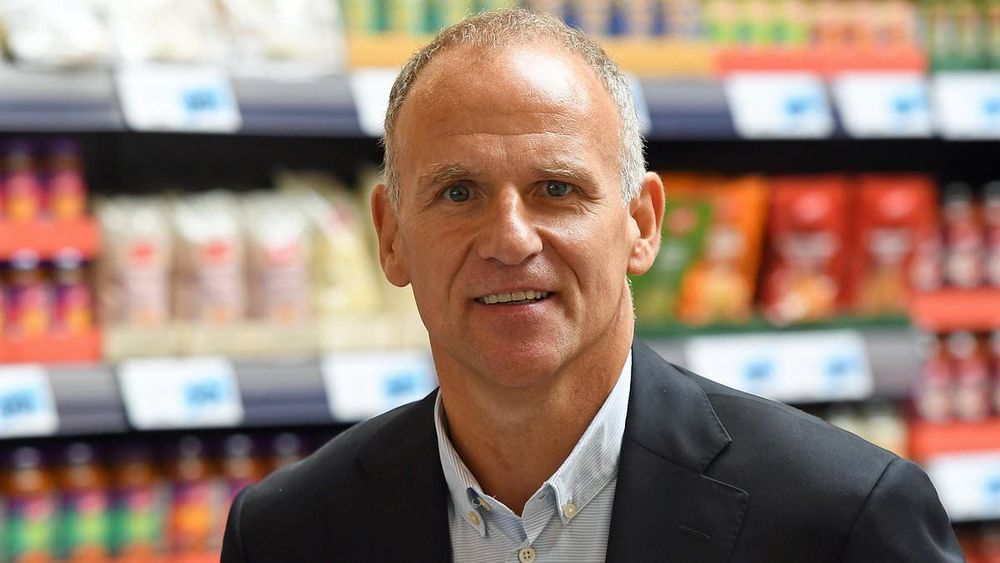
Drastic Dave tackles the supply side at Diageo: ALEX BRUMMER
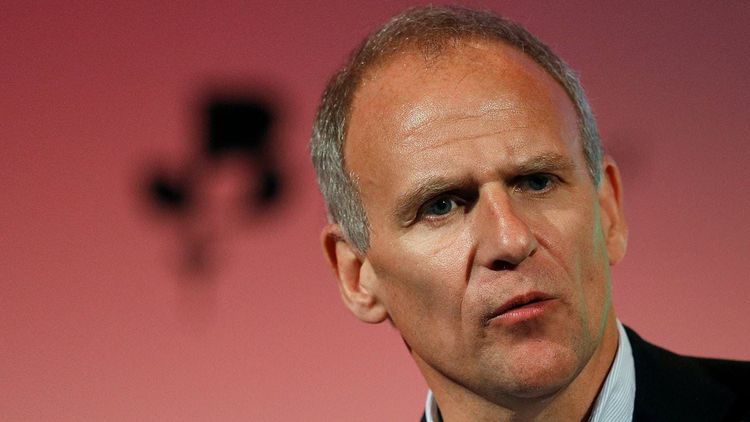
Dave Lewis, the chief executive dubbed 'Drastic Dave' for his aggressive turnaround of Tesco, has turned his attention to fixing Diageo's troubled supply chains with an ambitious $1 billion cost-cutting programme unveiled on Wednesday.
The drinks giant, whose portfolio spans Johnnie Walker whisky and Guinness stout to Casamigos tequila, announced a three-year restructuring plan to trim $850 million from its operating framework and $150 million from supply chain improvements, at a total implementation cost of $1.2 billion.
Lewis, who became Diageo CEO on 1 January 2026 after a successful six-year stint rescuing Tesco from a £250 million accounting scandal, faces challenges across multiple fronts. The company reported a 2 per cent decline in organic net sales to $19.6 billion for the fiscal year ended 30 June, with North American sales falling and Chinese white spirits sales declining by double digits.
The announcement comes as Lewis tackles problems inherited from his predecessor Debra Crew, who departed in July 2025 after just two years at the helm. Crew's tenure was cut short following a November 2023 profit warning triggered by severe overstocking issues in Latin America and the Caribbean, where sales plummeted 21 to 23 per cent.
A proven track record in turnarounds
Lewis brings formidable credentials to the task. During his time at Tesco from 2014 to 2020, he closed 43 loss-making UK stores and improved UK operating profitability margins by 59 basis points year-on-year by fiscal 2019/20. Before that, he spent 28 years at Unilever in senior roles including President of the Americas and Global President for Personal Care, gaining extensive experience in brand building and consumer goods.
The idea that drinking culture is finished appears overdone. Cocktails remain hugely popular in the United States, craft beer and spirits continue to thrive, and soaring alcohol sales during the World Cup demonstrated that younger consumers have not abandoned alcohol entirely.
Much of Diageo's premium portfolio will need to adapt to changing fashions and tastes, much like luxury brands such as LVMH and Burberry. Lewis had quick wins available at Tesco through asset sales, including disposing of Pacific operations to address legacy debt and pension issues. But his real achievement lay in repairing supply chains and commercial relationships.
Focus on operational excellence
The Diageo overhaul follows a similar playbook. The accelerated savings target has been well received by investors, who recognize from the company's recent history that its supply chain requires urgent attention.
The most reassuring element of Lewis's update is Diageo's confidence in its brand strength and distribution network, particularly in North America, to reverse recent declines and stabilize sales. The company expects additional support from the cost-cutting measures now underway.
Diageo's competitive advantage has long rested on acquiring premium brands and developing sophisticated new products. The current phase demands more mundane but critical management work. Investors will be hoping Lewis still finds time to enjoy a dram of Talisker whisky once the heavy lifting is complete.
Broader tech sector challenges
Meanwhile, Britain's artificial intelligence sector faces its own vulnerabilities following a major shake-up at Google DeepMind. Much of the UK's AI reputation stems from Nobel Prize winner Demis Hassabis, who won the 2024 Nobel Prize in Chemistry for developing AlphaFold, an AI system that predicts protein structures.
Hassabis founded DeepMind in 2010 before selling it to Google in January 2014. Google's decision to base significant AI operations at its King's Cross campus in London has been viewed as a boost for the UK. However, ultimate control remains with parent company Alphabet at its Mountain View, California headquarters.
A decision to restructure AI operations after falling behind rivals Anthropic and OpenAI demonstrates how vulnerable British technology becomes once overseas owners take control. Similar value migration has occurred at Cambridge-based Arm Holdings following its New York listing.
Hassabis is stepping aside as chief executive to become chief scientific officer, with Jeff Dean, creator of Google's Gemini model, also departing. To soften the blow of what appears a demotion, Hassabis will become chairman of Google DeepMind.
Alphabet chief Sundar Pichai described the changes as giving the Nobel laureate more time to work on artificial general intelligence, which aims to make computers as intelligent as humans. Reports suggest Hassabis focused too heavily on scientific breakthroughs and accolades rather than commercial returns. Google dislikes finishing second in technology races, and the shake-up aims to accelerate progress toward an AGI breakthrough.
Even for distinguished scientists, being part of a $4.4 trillion overseas enterprise offers no job security.
Advertising sector glimmers
Long-term investors in UK advertising group WPP have not seen a 25 per cent share price jump since 1992. Chief executive Cindy Rose, who took over on 1 September 2025 after nine years in senior leadership at Microsoft, appears to have convinced the market that recovery is possible once the holding company legacy of founder Martin Sorrell is dismantled.
There have been encouraging client wins including Estee Lauder, Tesco in Britain, and US burger chain Wendy's. However, WPP reported revenue of £13.55 billion in 2025, down 8.1 per cent year-on-year, with declines across almost every marketing category except healthcare and pharmaceuticals.
Rose's February 2026 Elevate28 restructuring strategy, targeting £500 million in cost savings, focuses on modernization and technology integration using AI tools and partnerships. While early results show promise, she faces a race against time with private equity circling.