Internal Messages Contradict Public Timeline
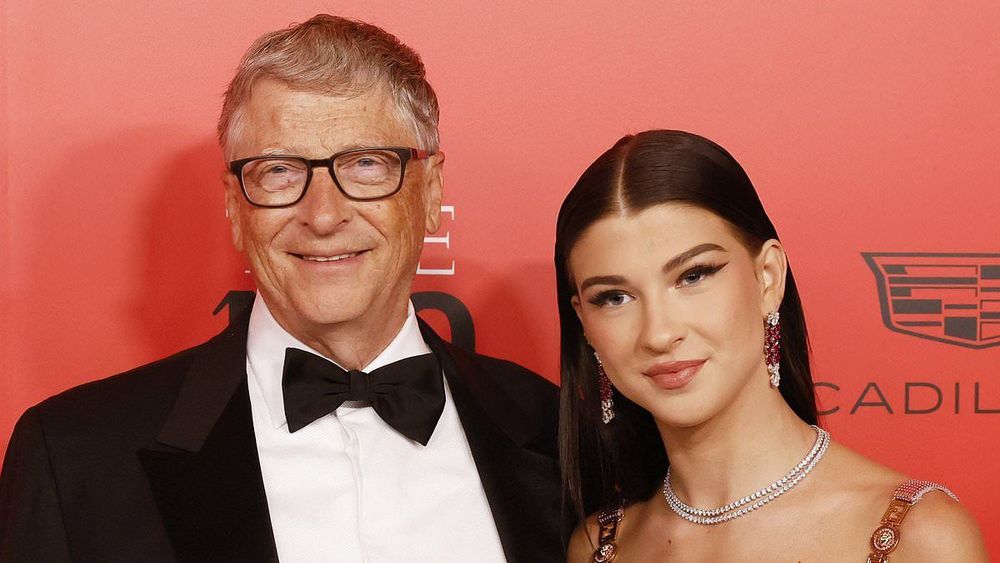
Internal company messages have revealed that Phoebe Gates, daughter of Microsoft co-founder Bill Gates, and her business partner Sophia Kianni knew about controversial tracking practices in their shopping app Phia for at least seven months before publicly addressing the issue, according to documents reviewed by Bloomberg.
The Slack messages, dating back to December 2025, contradict a July 8, 2026 company statement claiming the founders had only learned of the automatic cookie placement "within the last 24 hours." The discrepancy has intensified scrutiny of the once-celebrated startup, which had attracted more than $35 million in funding by May 2026.
Cookie Stuffing Drove Half of Revenue
The controversial practice, known as cookie stuffing, involves browser extensions automatically adding tracking codes to users' purchases. This allows companies to claim affiliate commissions on sales they did not meaningfully help produce, diverting money from legitimate publishers and creators who would otherwise earn those fees.
Internal data shows cookie stuffing accounted for approximately 51% of the merchandise value Phia claimed credit for in June 2026. After the company disabled these features, daily revenue collapsed from roughly $80,000 to between $10,000 and $28,000.
High-Profile Backing and Recognition
Phia operates as both a mobile app and browser extension with over 430,000 downloads, scanning more than 40,000 retail and resale sites to deliver price comparisons and secondhand alternatives. The platform had partnerships with over 9,600 retail brands.
The startup had attracted substantial backing from prominent investors and celebrities. The initial $8 million seed round was led by venture capital firm Kleiner Perkins, with angel investors including Fanatics CEO Michael Rubin, Spanx founder Sara Blakely, and model Hailey Bieber. Additional celebrity supporters in 2025 included Khloé Kardashian, Kris Jenner, Alix Earle, Olivia Culpo, Mindy Kaling, Jessica Alba, Sydney Sweeney, and Priyanka Chopra.
Gates and Kianni received significant recognition before the controversy emerged. They were named to Forbes' 2026 30 Under 30 Retail & Ecommerce list in January 2026 and appeared on Time Magazine's Time100 Next rising stars list in 2025. Time also named the Phia app as one of the best inventions of the year in October 2025.
Legal Implications
Ariel Givner, founder of Givner Law PC, stated on August 11, 2026 that cookie stuffing is typically treated as federal wire fraud in US courts, with a maximum penalty of up to 20 years in prison plus fines and restitution. However, no criminal charges have been filed against Gates or Kianni as of mid-August 2026.
Broader Industry Context
The controversy unfolds amid growing concerns about data privacy and security in shopping apps. Third-party vulnerabilities accounted for 57% of reported data breaches in 2025, and popular shopping apps like Klarna and Grubhub have been found to collect approximately 64% of available user data.
Phoebe Gates, born September 14, 2002 in Seattle, Washington, is the youngest daughter of Bill Gates and philanthropist Melinda French Gates. The scandal marks a dramatic reversal for the young entrepreneur, whose company had been positioned as an innovative solution for conscious consumers seeking sustainable shopping alternatives.